
High-Gloss Polished Concrete in Magnolia for showrooms and commercial spaces where appearance and brightness matter
Reflective Floors That Reduce Lighting Costs
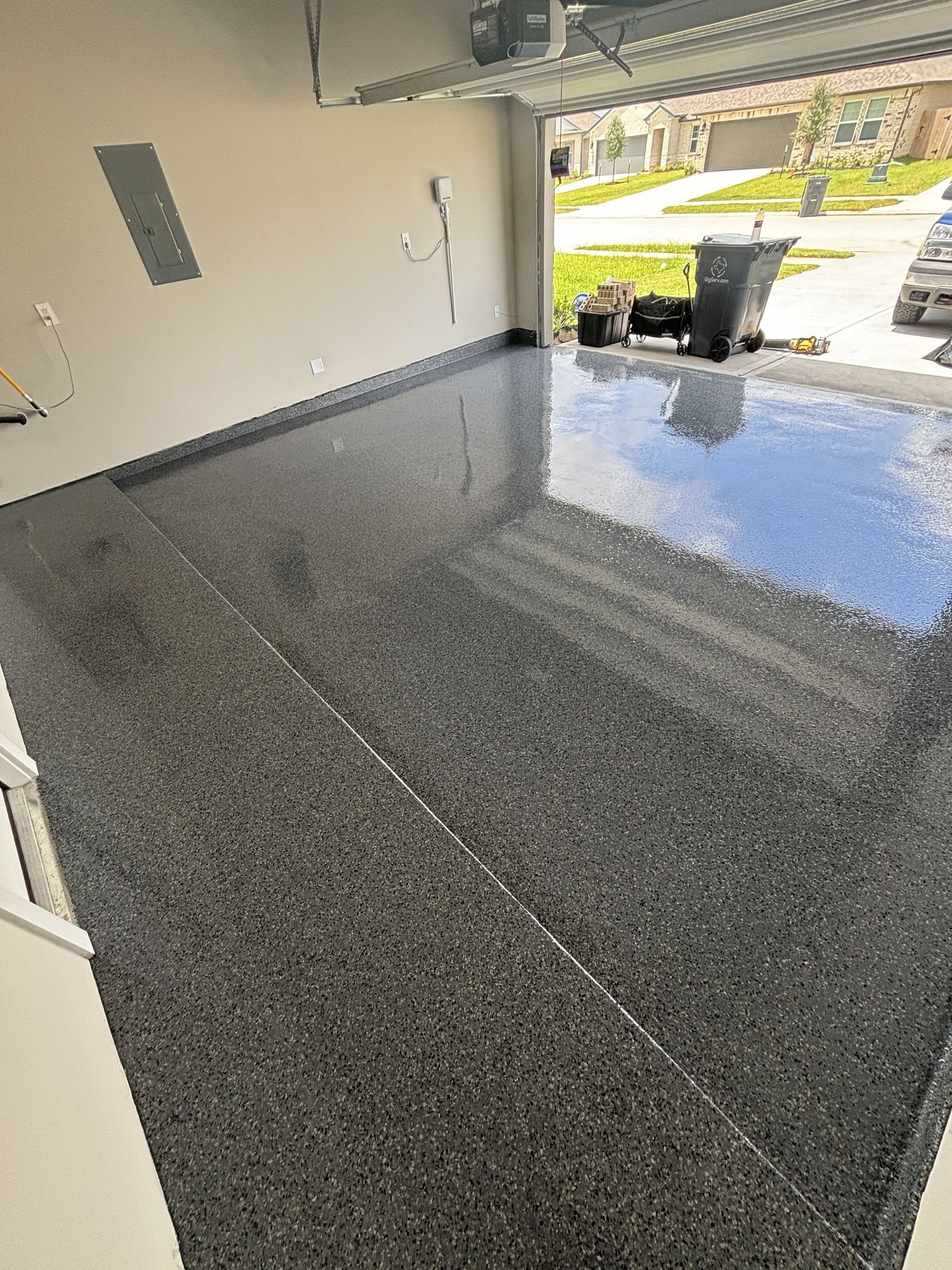
A high-gloss polished concrete floor reflects overhead lighting back into the space, reducing the number of fixtures needed to achieve target illumination levels and creating a bright, modern appearance that makes retail and commercial interiors feel larger and more inviting. The process involves grinding concrete with progressively finer diamond abrasives until the surface reaches a mirror-like finish that showcases the natural aggregate and color variations within the concrete. Top rank epoxy produces high-gloss finishes in Magnolia showrooms, car dealerships, and retail spaces where the floor contributes to the overall visual impression and cleanliness of the environment.
Achieving a high-gloss finish requires multiple polishing passes with diamond tooling ranging from coarse grits that flatten the surface to ultra-fine grits that refine the concrete to a smooth, reflective state. Chemical densifiers are applied mid-process to harden the concrete and allow finer grits to polish effectively, and the final passes create the glossy surface that reflects light and resists staining.
Schedule a consultation to review concrete condition and determine whether your existing slab can achieve the desired gloss level without additional surface preparation.
How Does Floor Maintenance Work in Cypress?

What Changes After High-Gloss Polishing Completes
The polishing process removes surface imperfections and exposes the aggregate and paste structure within the concrete, creating visual depth and texture that changes appearance based on viewing angle and lighting. The smooth, dense surface resists dirt and stains because there are no pores or rough textures where contaminants can lodge, and routine cleaning with a damp mop removes tracked-in debris without requiring harsh chemicals or scrubbing.
After installation, the floor reflects ceiling lights and windows clearly, improving overall brightness and reducing reliance on supplemental lighting during daytime hours. The sleek finish presents a professional appearance that complements modern interiors, and the lack of seams or grout lines creates a continuous surface that visually expands the space and simplifies maintenance routines.
The high-gloss system does not require waxing to maintain its shine, which eliminates the ongoing labor and material costs associated with traditional polished finishes on tile or coated floors, though periodic cleaning and occasional re-polishing of high-traffic areas extend the life and appearance of the reflective surface.
Questions Before Starting Your Project
Property owners considering high-gloss polished concrete for commercial or retail spaces typically ask about the polishing process, maintenance expectations, and how the system performs compared to tile or coated alternatives.
What determines whether existing concrete can achieve a high-gloss finish?
The age, hardness, and aggregate content of the slab affect how well it polishes, with harder concrete and exposed aggregate producing better gloss levels, and severely damaged or soft concrete may require repairs or overlays before polishing can produce a reflective finish.
How does the reflective surface improve lighting?
The smooth, polished concrete acts like a mirror for overhead fixtures, bouncing light back up and across the space, which increases ambient brightness and reduces the number of fixtures needed to meet illumination standards in commercial environments.
Why is polished concrete easier to clean than tile or coated floors?
The seamless surface has no grout lines or joints where dirt accumulates, and the dense, smooth finish prevents liquids and debris from penetrating, so spills and tracked-in dirt wipe away without scrubbing or chemical cleaners.
What conditions in Magnolia affect long-term gloss retention?
Tracked-in sand and abrasive debris from outdoor areas gradually dull the polished surface, so facilities near construction zones or unpaved lots may need more frequent maintenance polishing to restore gloss compared to locations in fully developed commercial areas.
How much does a high-gloss polished floor reduce maintenance costs?
By eliminating the need for waxing, stripping, and recoating, polished concrete reduces ongoing labor and material expenses significantly, and the surface holds up under foot traffic for years without requiring refinishing or replacement, lowering total cost of ownership compared to other flooring systems.
Top rank epoxy assesses slab condition and discusses gloss level options to match your aesthetic and performance goals. Contact the team to arrange a site visit and review concrete preparation requirements specific to your project.